Osteoporosis can significantly impact your quality of life, but nutrition plays a powerful role in prevention and management. At Alpine Fit, we understand how Boulder’s health-conscious community values whole, nutritious foods. This guide explores the nutrients essential for strong bones, common dietary gaps, and how you can optimize your nutrition for osteoporosis to protect your bone health.
Why Nutrition Matters for Osteoporosis Prevention
Your bones are constantly renewing themselves, and proper nutrition provides the building blocks for this process. Key nutrients like calcium, vitamin D, and magnesium work together to maintain bone density and strength. According to a study published in The American Journal of Clinical Nutrition (2020), dietary patterns rich in bone-supporting nutrients reduce the risk of fractures by up to 30%.
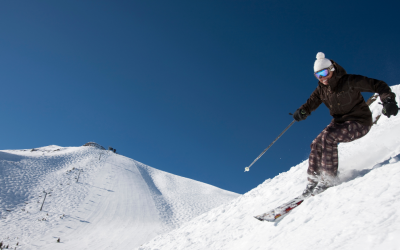
For Boulder residents, focusing on nutrition for osteoporosis not only supports bone health but ensures you can continue enjoying activities like hiking, skiing, and yoga without injury.
Nutrition plays a critical role in maintaining bone health and preventing osteoporosis. But it’s just one piece of the puzzle. For a comprehensive approach that combines nutrition, exercise, and functional medicine, explore our guide: Transform Your Bone Health: 5 Powerful Steps for Osteoporosis Treatment in Boulder. For a comprehensive approach, explore our guide to osteoporosis treatment in Boulder.
Essential Nutrients for Nutrition for Osteoporosis
1. Calcium: The Foundation of Bone Health
- Why It’s Important: Calcium is the primary mineral in bones. Without adequate calcium, bones become weak and brittle.
- Daily Recommendation: Adults over 50 need about 1,200 mg daily.
- Sources:
- Dairy: Milk, yogurt, cheese.
- Plant-Based: Kale, broccoli, almonds, fortified plant milks.
- Boulder Tip: Check out local farmer’s markets for fresh, organic kale and spinach.
2. Vitamin D: The Key to Calcium Absorption
- Why It’s Important: Vitamin D helps your body absorb calcium and maintain proper bone structure.
- Daily Recommendation: 600-800 IU daily, with higher needs in older adults.
- Sources:
- Sunlight: Boulder’s sunny climate is perfect for natural vitamin D synthesis.
- Foods: Fatty fish (salmon, mackerel), fortified cereals.
- Supplements: Consider taking vitamin D3 if your levels are low, as confirmed by blood tests.
3. Magnesium: Supporting Bone Mineralization
- Why It’s Important: Magnesium works alongside calcium to build and maintain bones.
- Daily Recommendation: 310-420 mg daily.
- Sources:
- Nuts: Almonds, cashews.
- Whole Grains: Brown rice, quinoa.
- Leafy Greens: Spinach, Swiss chard.
4. Vitamin K2: The Unsung Hero of Bone Health
- Why It’s Important: Vitamin K2 directs calcium to your bones and away from arteries, reducing the risk of cardiovascular issues.
- Sources:
- Fermented Foods: Natto (fermented soybeans), sauerkraut.
- Dairy: Cheese, butter.
- Boulder Tip: Look for locally made fermented foods at specialty stores.
Common Nutrition Challenges for Boulder Residents
Despite Boulder’s focus on health, gaps in nutrition for osteoporosis are common:
- Low Vitamin D Levels: Even in sunny Colorado, many people lack sufficient vitamin D due to limited sun exposure in winter.
- Calcium Deficiency in Plant-Based Diets: Boulder’s love for vegetarian and vegan lifestyles can lead to inadequate calcium intake if not properly planned.
- Processed Foods: Busy lifestyles may lead to reliance on processed foods, which lack essential bone-supporting nutrients.
How to Address These Gaps:
- Consult with a functional medicine provider to identify deficiencies.
- Incorporate fortified plant-based options if following a vegan diet.
- Prioritize whole, nutrient-dense foods available locally.
Common Questions About Nutrition for Bone Health
1. Do I Need to Take Calcium Supplements?
One of the most frequent questions we hear is whether calcium supplements are necessary for maintaining strong bones. The answer depends on your diet. If you’re consistently meeting your calcium needs through food, supplements may not be necessary. However, many adults, particularly those following plant-based diets, fall short. Research from the National Institutes of Health (2020) suggests that combining dietary calcium with a moderate supplement (if needed) can support bone health without overloading your body.
However, excessive calcium intake from supplements may lead to health issues such as kidney stones and cardiovascular problems. Therefore, it’s important to tailor calcium intake to individual needs and consult with a healthcare provider before starting any supplementation. At Alpine Fit, we recommend a personalized approach—testing your levels and discussing supplementation only if there’s a deficiency.
2. Can I Get Enough Vitamin D from Sunlight in Boulder?
Boulder’s sunny climate makes it easier to get vitamin D than in other regions, but it’s not always enough—especially during winter months or for individuals who spend a lot of time indoors. While just 10-15 minutes of midday sunlight on bare skin can produce significant amounts of vitamin D in the summer, reduced sun exposure in colder months often leads to deficiencies. Incorporating vitamin D-rich foods or a high-quality supplement ensures consistent intake year-round. Functional medicine testing can help determine if your levels are optimal.
While nutrition is essential for preventing osteoporosis, it works best when combined with other strategies like physical therapy, posture alignment, and balance exercises. Learn how these elements come together to protect your bones in our guide: Transform Your Bone Health: 5 Powerful Steps for Osteoporosis Treatment in Boulder
Practical Tips for Optimizing Nutrition for Osteoporosis
- Plan Balanced Meals:
- Include a calcium source (e.g., dairy or fortified alternatives), a serving of leafy greens, and a healthy fat (e.g., avocado, nuts).
- Add Bone-Friendly Snacks:
- Almonds, cheese cubes, or a smoothie made with fortified almond milk and spinach.
- Supplement Smartly:
- Work with a functional medicine provider to determine if calcium, vitamin D, or magnesium supplements are necessary.
- Stay Hydrated:
- Boulder’s dry climate can lead to dehydration, which affects overall health, including bones.
Client Success Story
A 58-year-old Boulder client came to Alpine Fit concerned about bone loss after transitioning to a vegan diet. By working with our team, she incorporated fortified plant-based milks, leafy greens, and a vitamin D supplement into her routine. Within six months, her bone density improved, and she felt stronger and more confident tackling Boulder’s trails.
Combine Nutrition and Movement for Optimal Results
While nutrition is critical, it works best when combined with regular exercise. Strengthening bones requires both the right building blocks (nutrition) and the right stressors (exercise). For specific bone-strengthening exercises, check out our article on Top 5 Exercises for Better Bone Health in Boulder.
Take Control of Your Bone Health
By optimizing your nutrition for osteoporosis, you can take meaningful steps toward preventing bone loss and maintaining an active lifestyle. At Alpine Fit, we specialize in holistic bone health solutions tailored to Boulder residents.
Ready to optimize your nutrition for osteoporosis? Book a free discovery visit with Alpine Fit to start building a personalized plan today.