Osteoporosis affects millions of people, particularly women over 50, and poses a significant risk of fractures that can impact mobility and quality of life. At Alpine Fit, we combine functional medicine and physical therapy to offer a comprehensive, non-invasive approach to osteoporosis treatment in Boulder. This guide explains the causes of osteoporosis, why holistic care is effective, and how our methods can help you maintain an active, pain-free lifestyle.
What Is Osteoporosis?
Osteoporosis is a condition where bones become porous, brittle, and prone to fractures. Commonly seen in postmenopausal women, it also affects men as they age. Boulder’s active community is particularly vulnerable because high-impact activities, combined with potential nutritional gaps, can accelerate bone loss.
Quick Fact: According to the National Osteoporosis Foundation, 1 in 2 women and 1 in 4 men over 50 will experience an osteoporosis-related fracture in their lifetime.
Signs and Symptoms of Osteoporosis
Many individuals don’t realize they have osteoporosis until they experience a fracture. However, early signs can help with earlier intervention:
- Loss of Height: A gradual decrease in height could indicate weakening vertebrae.
- Back Pain: Pain due to fractures or compression in the spine.
- Weak Grip Strength: Associated with reduced bone density in postmenopausal women.
- Fractures from Minor Falls: Particularly in the wrist, hip, or spine.
If you’ve experienced any of these symptoms, it’s essential to seek professional guidance for proper diagnosis and treatment.
What Causes Osteoporosis?
Understanding the root causes of osteoporosis is essential for effective treatment. While aging and hormonal changes play a significant role, other factors include:
- Nutritional Deficiencies: Inadequate intake of calcium, vitamin D, or magnesium can weaken bones.
- Sedentary Lifestyle: A lack of weight-bearing exercise contributes to bone loss.
- Hormonal Imbalances: Postmenopausal women face a decline in estrogen, which protects bone density.
- Chronic Inflammation: Systemic inflammation accelerates bone breakdown.
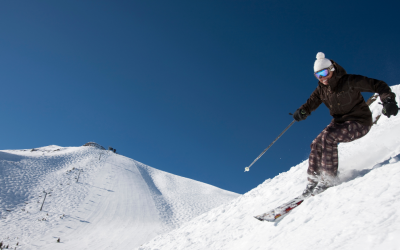
- High-Impact Activities: Boulder’s love for skiing, hiking, and other sports can exacerbate the risk of stress fractures in those with undiagnosed osteoporosis.
Functional Medicine for Osteoporosis Treatment in Boulder
Functional medicine addresses the underlying factors of bone loss, providing personalized, science-backed interventions.
1. Nutrition and Supplementation
- The Research: A study in The Journal of Clinical Endocrinology & Metabolism (2020) highlights that individuals with higher vitamin D and calcium levels had significantly better bone density.
- What We Do: At Alpine Fit, we evaluate your nutritional status and recommend supplements like vitamin D3, magnesium, and vitamin K2 to optimize bone health.
2. Hormone Balancing
- The Research: A 2019 review in Bone Reports demonstrated that hormone replacement therapy (HRT) can improve bone mineral density in postmenopausal women.
- What We Do: We explore natural alternatives to HRT, such as phytoestrogens and adaptogens, while collaborating with local specialists if medical HRT is necessary.
3. Inflammation Reduction
- The Research: Chronic inflammation has been linked to bone loss in studies published in Osteoporosis International (2021).
- What We Do: By identifying food sensitivities and improving gut health, we reduce systemic inflammation, creating a healthier environment for your bones.
Physical Therapy for Osteoporosis in Boulder
Physical therapy plays a critical role in osteoporosis treatment by strengthening bones, improving posture, and reducing fracture risks.
1. Weight-Bearing and Resistance Training
- The Research: A meta-analysis in Medicine & Science in Sports & Exercise (2018) found that resistance training significantly increases bone density in older adults.
- What We Do: Our therapists create customized exercise programs to safely build strength and stimulate bone growth. Popular activities in Boulder, like hiking, are incorporated when appropriate.
- Looking for specific exercises to strengthen your bones safely? Check out our article on Top 5 Exercises for Better Bone Health in Boulder
2. Posture and Alignment
- The Research: Poor posture is a leading factor in vertebral fractures, according to a study in Spine (2022).
- What We Do: Using manual therapy and exercises, we correct postural imbalances to reduce spinal fracture risk and improve your daily comfort.
3. Balance Training
- The Research: A study in Physical Therapy Journal (2020) showed that balance training reduced falls by 30% in older adults with osteoporosis.
- What We Do: We focus on balance exercises tailored to Boulder’s active lifestyle, ensuring you can navigate trails or icy sidewalks safely.
Preventative Strategies for Osteoporosis
Prevention is key for maintaining bone health. Even if you don’t yet have osteoporosis, there are strategies to reduce your risk:
- Daily Movement: Incorporate weight-bearing activities like brisk walking or yoga.
- Strength Training: Focus on resistance exercises targeting major muscle groups.
- Bone-Healthy Diet: Include calcium-rich foods like leafy greens, almonds, and fortified plant-based milks.
- Avoid Smoking and Excessive Alcohol: Both have been shown to reduce bone density.
- Regular Checkups: Monitor bone density, especially after age 50.
At Alpine Fit, we offer preventative care plans to keep your bones strong and healthy for years to come.
Building a Support Network for Bone Health
Many individuals find success in managing osteoporosis through community. Boulder’s health-focused environment offers resources and support:
- Local Workshops: Attend Alpine Fit events focused on bone health education.
- Group Activities: Join fitness classes that are well vetted and focus on safe weight bearing activities. (we have our favorites and are happy to share).
- One-on-One Guidance: Our team of experts works with you personally to meet your unique goals.
The Emotional Side of Osteoporosis
Being diagnosed with osteoporosis can feel overwhelming. Fear of fractures, reduced mobility, and loss of independence are common concerns. At Alpine Fit, we work closely with you to build a plan that restores your confidence, helps you stay active, and ensures you feel supported throughout the process.
Frequently Asked Questions About Osteoporosis Treatment in Boulder
1. Is Osteoporosis Reversible?
While bone density loss can’t always be fully reversed, functional medicine and physical therapy can significantly slow progression and, in some cases, improve bone strength.
2. What Activities Should I Avoid?
High-impact activities like running or jumping may not be safe for individuals with advanced osteoporosis. However, our therapists can guide you toward safe and effective exercises.
3. How Long Will It Take to See Results?
Results vary by individual. Many clients notice improved strength, posture, and balance within 8-12 weeks of consistent therapy and lifestyle changes.
Explore More on Osteoporosis Care:
- Power Your Bones: Nutrition for Osteoporosis Prevention in Boulder
- Top 5 Exercises for Better Bone Health in Boulder
Take the Next Step Toward Stronger Bones
At Alpine Fit, we believe in proactive, personalized care. Whether you’re looking for osteoporosis treatment or prevention, our holistic approach combines functional medicine and physical therapy to support your journey.